Category Archives: Current Affairs

Foresight Business Breakfast: Insights from Carolan Lennon & Pioneering Equity in the Tech Sector
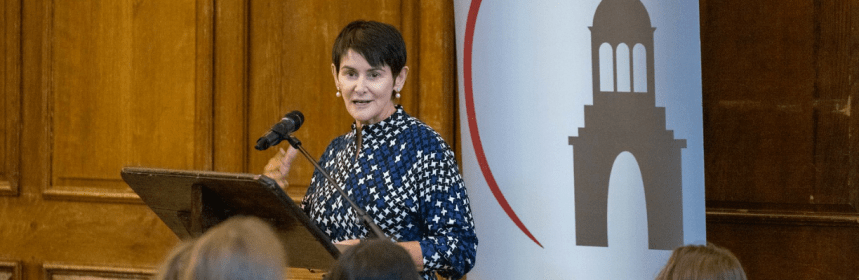
Ayesha Ahmed & Michael D. Mooney 

The recent Business Breakfast hosted by TCD Foresight Business Group featured speaker Carolan Lennon, Country Leader at Salesforce Ireland. Ms. Lennon, known for her trailblazing efforts in the tech industry, shared her insights on the transformative power of education, the values that drive Salesforce, and the importance of diversity, equity and inclusion within her speech. Additionally, the breakfast provided a space for getting to know professional Trinity alums who are excelling in their field and were open and ready to help current students with their questions concerning business, the job market and politics. 

In her address to the breakfast attendees, Lennon shared her experiences as a woman in a historically male-dominated field, and the significance of her work in shaping the future of business in Ireland. For those who couldn’t attend, here were Lennon’s main talking points:
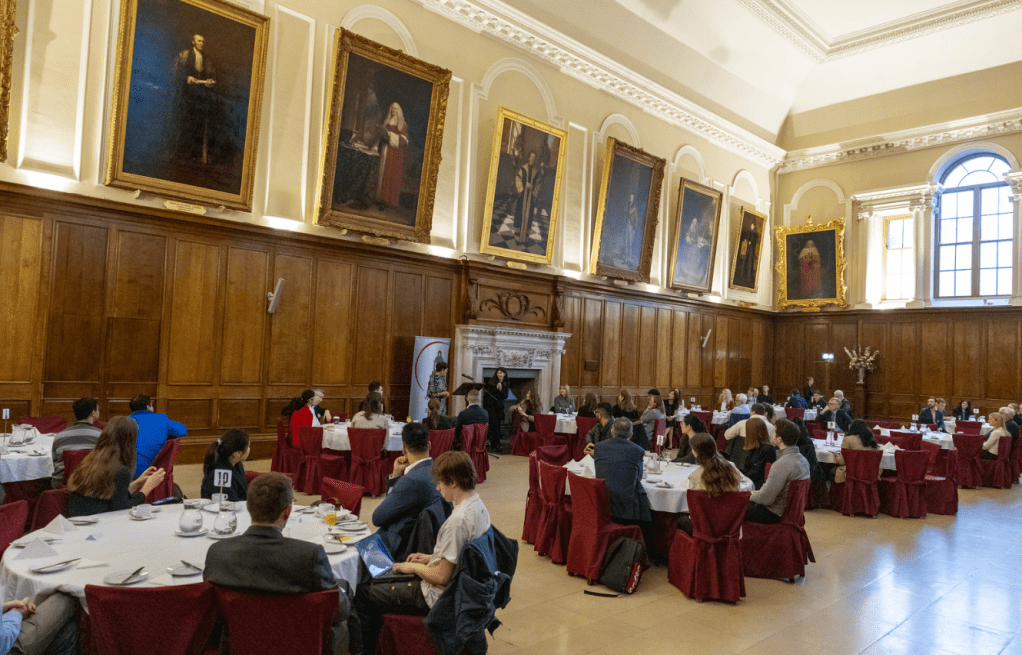
Education as a Game Changer

Ms. Lennon emphasised the pivotal role of education as a game changer in her professional journey. Having studied computer science at University College Dublin (UCD) in the 1980s, Ms. Lennon recognised the need to broaden her knowledge base and pursued an MBA at Trinity College Dublin. This proved to be an invaluable decision, equipping her with the skills and mindset necessary for success in the ever-evolving tech industry.

Salesforce’s Customer-Centric Approach

Ms. Lennon shed light on Salesforce’s unique approach as a customer centric company. Since its inception in 1999, Salesforce has been at the forefront of customer relationship management (CRM), revolutionising sales, marketing and commerce. The company prides itself on bringing customers and companies together by fostering trust, promoting equality and championing sustainability. Salesforce’s commitment to social impact is evident through its pledge to donate 1 percent of its profits, time and products to charitable causes, accounting for nearly $800 million USD in donations to date.

Breaking Barriers and Building Networks

Transitioning from the telecommunications industry to technology, Ms. Lennon faced the challenge of rebuilding her professional network. She emphasised the importance of owning one’s career and taking action, advocating for clear communication with superiors about career aspirations. Her experience highlights the significance of not only focusing on learning new technologies but also actively nurturing relationships and seeking opportunities beyond the confines of one’s daily work.

Diversity, Equity, and Inclusion

Ms. Lennon passionately discussed the importance of diversity, equity, and inclusion (DEI) in the workplace. Citing research and results, she underscored the positive impact of diverse teams on performance. She recounted her experience at a previous organisation where she helped in transforming the gender ratio from 9:1 to 1:1. Additionally, she acknowledged the need for greater diversity not only in terms of gender but also in terms of socioeconomic backgrounds, emphasising that true diversity extends beyond surface-level differences.

The Rise of AI and the Future of Business in Ireland

Looking ahead, Ms. Lennon identified artificial intelligence (AI) as the next major technological evolution. While acknowledging the increased interest in AI adoption among CEOs, she highlighted the importance of understanding its ethical implications and ensuring its accessibility and applicability. She also emphasised the need to address biases embedded in AI technologies, which often mirror the biases present in society. The future of business in Ireland, particularly in the tech sector, is heavily influenced by ongoing developments in AI.

Irish Women Breaking Barriers

As a woman diversifying a historically male-dominated field, Ms. Lennon encountered her share of challenges. However, she found a supportive environment at Salesforce, aligning with the company’s values of equity and inclusion. Her advice to aspiring professionals, particularly women, is to actively engage in extracurricular activities such as networking groups and to assertively communicate career aspirations to supervisors. Research on workplace dynamics and statistics on women’s experiences in Ireland can shed further light on the progress and areas for improvement.

The Referendum and the Changing Workplace Landscape

In light of the recent referendum concerning women and working from home, her insights become even more relevant. The evolving workplace landscape demands a renewed focus on equity, flexibility and inclusivity. As Ireland seeks to create a more balanced and empowered workforce, her experiences and perspectives serve as valuable touchstones for progress. 
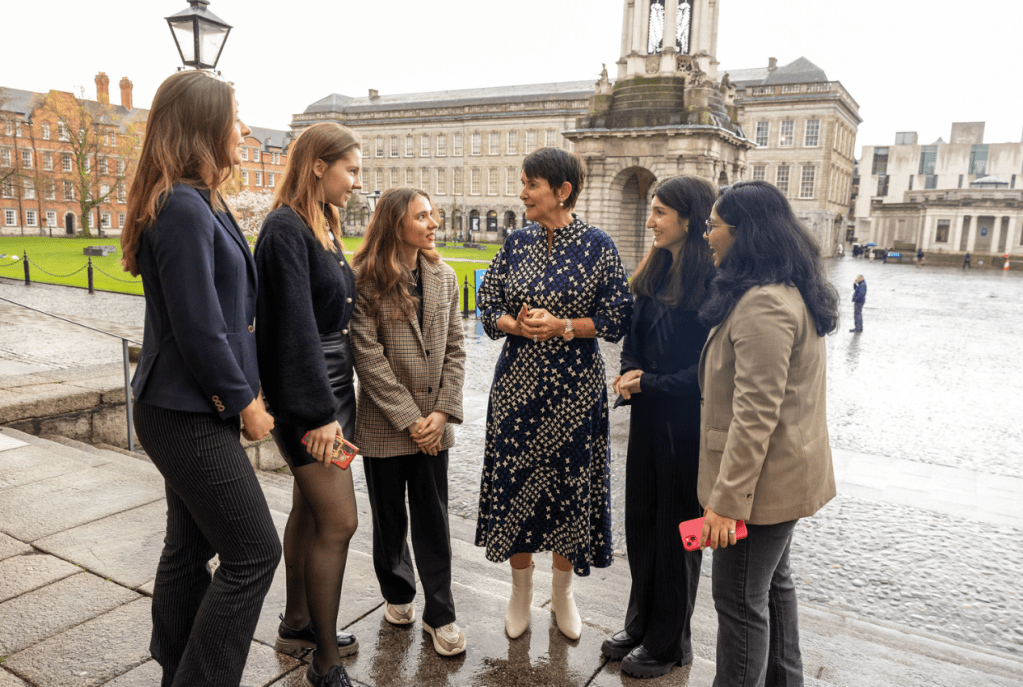
Conclusion

Throughout the breakfast, Ms. Lennon delved deeply into her journey from telecommunications to technology, exemplifying the power of education, resilience, and a values-driven approach. Her experiences combined with the engaging conversations of Trinity alumni helped foster a sense of community, and a reassurance that yes, other people who went through the similar courses did find light at the end of the tunnel. Thank you to all participants who helped students gain an insight on how to actively pursue career opportunities, and contribute to a more inclusive and innovative future for businesses in Ireland and beyond.
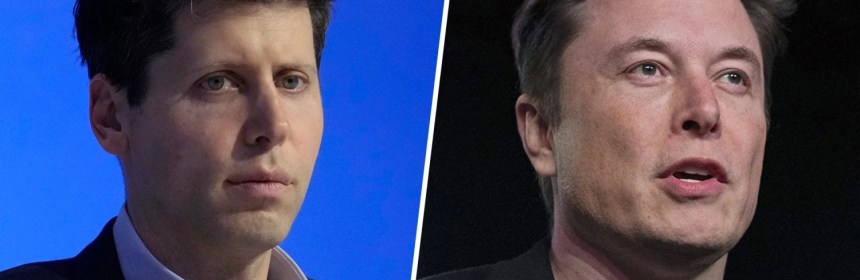
AI’s Power Struggle: Musk, Altman, and the Balance of Ethics versus Innovation

Harry Mealia

What was once a formidable partnership has now turned toxic; Elon Musk and Sam Altman, former partners and co-founders of Open AI, find themselves embroiled in a public lawsuit. While ChatGPT may have originally brought eyes to the company, it is the new alliance with Microsoft and an 80 billion dollar valuation that has garnered attention once again. OpenAI’s recent ventures and creation of a ‘for-profit’ firm forms the basis of Musk’s legal action. What is not as widely acknowledged however, is the compelling history Musk has with Altman and OpenAI. Their relationship and past dealings display the intricate balance between innovation and ethics in the new world of artificial intelligence.

The Butting Heads of AI

OpenAI started in 2015 as a non-profit AI research company with a mission of ensuring that ‘artificial intelligence benefits all of humanity’. Musk was a part of this team. In a recent blog post, OpenAI explained how they quickly realised that their non-profit structure would see them struggle to raise the necessary capital to meet their goals in generative AI. During discussions of a commercialised arm of the company, Musk leveraged his financial power, suggesting a Tesla merger alongside positioning himself as CEO. While this may have allowed for accelerated growth for the company, it violated the firm’s ethics of giving absolute power to one person. Musk soon left OpenAI and eventually created his own competitor (GrokAI). During this transition however, following Musk’s departure, OpenAI would be met with further personnel complications.

In November 2023, OpenAI announced that Altman would be departing, leaving behind his role as CEO. The company explained a review process concluded that “he was not consistently candid in his communications with the board”. This decision was met with great resistance throughout Silicon Valley, including the threat of existing employees willing to resign if Altman was not reinstated, seen by Greg Brockman, chair of the board, leaving his role as president. The resulting backlash was so strong that Altman was reinstated 5 days later at the conclusion of an external investigation from WilmerHale law firm. The level of volatility and confusion faced by OpenAI during this turbulent period is often attributed to the unique organisational structure of the firm.

New Frontiers for the AI Market

OpenAI now faces new competition in the form of xAI, Musk’s new startup; their new chatbot Grok is similar to the widely known ChatGPT. Grok is advertised as a more flexible alternative with the ability to provide witty answers as well as a willingness to answer controversial questions typically avoided by other chatbots. Their standout offering is that Grok can access X (formerly Twitter), to provide information on current affairs. While competitors Gemini and ChatGPT may not have the same offering, there are questions surrounding how accurate Grok can be seeing as information is drawn from X, a site known to have a colourful history with filtering factual information. On 11th March another update on Grok was released when Musk announced via X that his startup xAI will open source Grok; this means that anyone can access, view and modify the code as they please. This offers increased accessibility and transparency that ChatGPT and Gemini currently do not provide.

Not only is the market for artificial intelligence becoming a highly profitable one, as proved by OpenAI’s valuation, but it is also one that provides serious threats. This has led to several high-profile players joining in such as Google, Microsoft and Facebook. Although Musk and Altman created the headlining OpenAI and ChatGPT that ignited this AI boom, their relationship has now ceased to exist with Musk going as far as saying “Open AI is a lie”. With this conflict, the question now arises for the future of artificial intelligence: is Musk’s lawsuit against OpenAI simply a revenge mission with hopes of eliminating any competition for his own chatbot or is there a genuine concern for protecting against the dangers of AI?

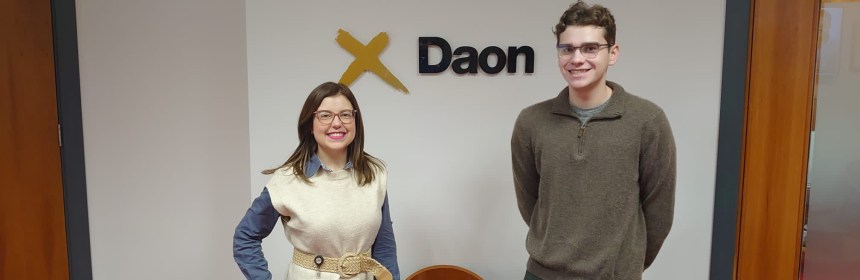
An Interview with Clive Bourke, EMEA & APAC President of Daon 

Fiachra Mooney

About Daon 

Nestled in Dublin’s eminent Docklands one can find Daon, a digital identity trust company. Focusing on the Business-to-Business-to Customer (sometimes even B2B2B2C) and Business-to-Government-to-Customer sectors, it provides the backbone for many of the services you likely use on a regular basis. 

You would be forgiven for not being too familiar with Daon, as you’re unlikely to see their brand name plastered around the internet. It generally provides the software and processes for its customers to integrate into their own apps and websites. Daon instead grows through its reputation of excellence and referrals and word of mouth from happy customers. TBR’s Chief Strategy Officer and Editor-in-Chief Sean Smith sat down with Daon’s EMEA & APAC president, Clive Bourke, to learn a little more about the firm and its contributions to the growing identity proofing and authentication industry and its implications for the future business landscape. 

Origins of Daon 

Daon derives its name from the old Irish word for person, similar to the modern word for people, daoine. The company was started in order to predict and provide the technology necessary to bring biometric authentication to the masses and reduce the need to memorise complex pins for multiple services and accounts. 

Clive spoke about the importance that Enterprise Ireland (EI) played in helping the company to expand its global operations. EI missions in Japan and the United States offered a great pathway to meeting potential clients and partners, and to help the company maintain sustainable foreign expansion. 

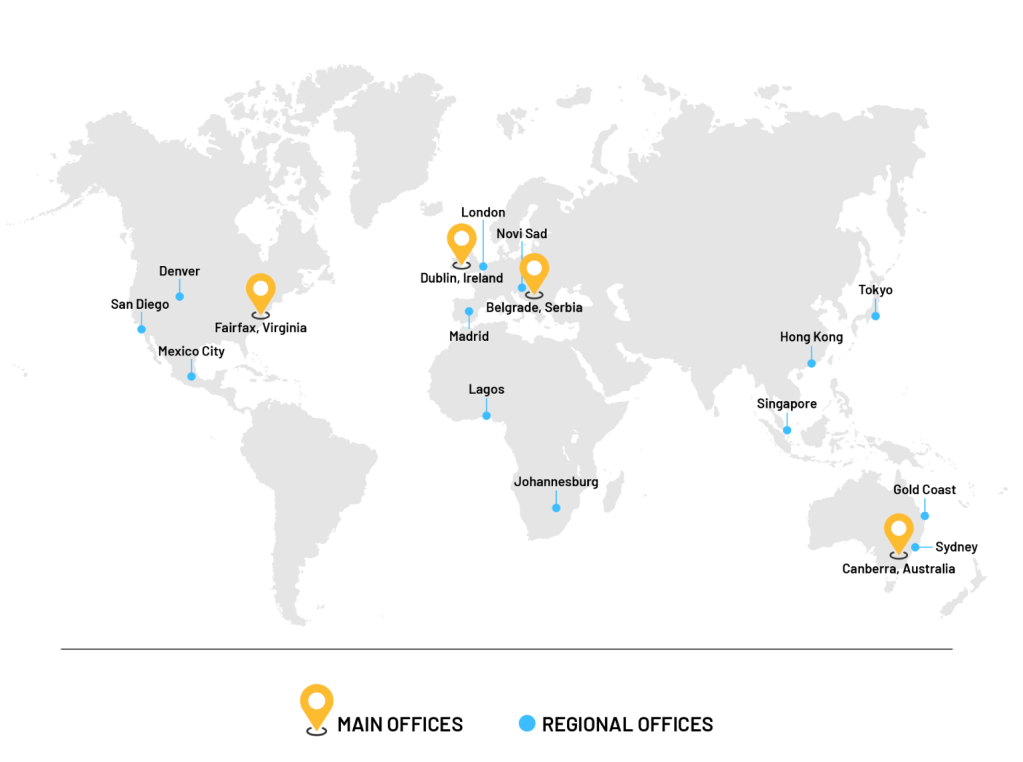
What started off as a small company in Dublin’s IFSC at the turn of the millennium has grown to a global operation with 17 offices spread throughout the world. Daon now has offices from Virginia right across to Canberra. While it is now a global operation, their headquarters and R&D remains in Ireland, as does their Chief Technology Officer. Their office in the IFSC remains the headquarters for EMEA. 

Bread & Butter 

Daon’s services provide the security underpinning for many financial institutions personal banking apps, enabling biometric authentication to facilitate new customer account opening and secure transactions for existing customers. There can be up to 50-100 different identity workflows between a customer and their service provider such as a bank. In the past, B2C firms would have had to design and implement all of these identity journeys themselves, but now Daon can provides a low code platform with configurable workflows that don’t require a lot of software development for not only financial institutions, but areas like travel and hospitality, telecommunication and social platforms.

Emerging Challenges & Areas of Interest 

Voice to text 

Clive discussed the popularity of voice commands that Amazon Alexa brought posed a new challenge for biometric authentication. If people wanted to conduct shopping with their Alexa devices, a problem arises as to how banks would be able to authenticate the purchase without forcing the customer to go onto another computing device. Voice commands for payments on home devices proved not to be as prolific as was originally expected however.

Deepfakes 

Another relevant phenomenon for Daon, as Clive noted, is the advance of deepfakes in recent news. Despite the development of this deceptive AI over the last few years being rapid, their risk to biometric authentication certainty is minimal thanks to the work of companies like Daon. Firstly, deepfakes require a screen to be displayed, and Daon’s software can recognise when a picture is being shown on a screen. And while phones can be broken apart, and devices used to trick the phone into thinking that a deepfake is coming directly from the phone’s own camera (so called injection attacks), the multi-factor authentication imposed by Daon has limited the possibility of such a breach being successful in committing fraud for a long time. As such, consumers can rest easy knowing biometric multi-factor authentication is a fortified wall of security against deepfakes being used to access personal information. 

AI 

While AI has become THE technology of 2024, Clive said that prior to the current onslaught, Daon had already seen a 3-4-fold increase in accuracy of models in machine learning. This has also been seen with facial recognition systems, run at airports and by agencies like Homeland Security at border crossings to quickly confirm a person’s identity. 

COVID 

One of the ways you have probably interacted with Daon’s service unknowingly was via their VeriFLY service during the pandemic. Developed with limited time, it allowed the return of international travel by allowing online check-in that verified and kept up to date with COVID vaccination certificate rules between countries. Over sixteen million people used the service successfully, and it gave Daon experience in dealing directly with consumers and building consumer facing apps. This was the closest that Daon had gotten to being a directly consumer facing Software-as-a-Service (SaaS) business, and they carried out about a thousand updates to the apps in the space of two years, which wasn’t a possibility in their previous products. 

But lessons from this B2C experiment have enabled Daon to launch their new TrustX platform. A cloud-native SaaS-based identity continuity platform, which is enabled by AI and ML, it enables businesses to integrate the software directly into their own products, featuring a no-code orchestration layer for rapid deployment and customisation to enhance user journeys. While maintaining full regulatory compliance, TrustX supports identity proofing and authentication which in turn will enable quick biometric authentication set up and recovery. 

Customer Base: Where Operations Take Place 

Facial biometric use for financial transactions is an arena that Daon has seen considerable growth in the last few years. With the proliferation of online purchasing and banking apps, biometric authentication has come to the masses; while biometrics have taken on a new importance, multi-factor authentication, with another factor e.g. possession or knowledge, remains a safeguard. A new area of research is enabling certain smaller purchases based on your behaviour. 

In terms of geographic breakdown, Daon operates in most parts of the world. Clive also points out that the framework of the EU’s GDPR is a well adopted well understood framework with provisions for biometric data which enables the broader adoption of biometrics for consumer protection use cases such as opening accounts, account access, payment confirmation, account recovery etc. Outside of the EU differing legislation and regulatory environments to be considered.

Students Interested in Pursuing a Career in the Industry 

For business, computing and mathematical students interested in a career with Daon and in the biometric authentication sphere, Clive suggests studying how AI would help improve cyber-attack detection. This area is an ongoing field of research, and is the main task in preventing presentation attacks, where fraudsters use imitations of a person’s biometric characteristics to verify their identity. This can be with expensive Mission Impossible style masks or full deep fake videos such as ones that made the news recently.


We wish to thank Clive for his time and for Daon’s support to TBR this year. For more information on Daon, visit their website www.daon.com and for careers visit http://www.daon.com/careers

Aldi & Lidl: Analysis of the Cost Cutting War and its Impact on Producers 

Michael Mooney

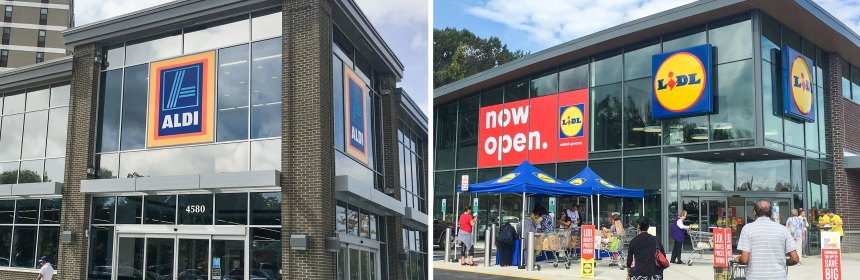
In October 2023, the supermarket chain Lidl rolled out price reductions store-wide for various produce items, frozen foods, and snacks. The price cuts are a beneficial change for shoppers, who experienced an average grocery cost inflation of 20% in early 2023, but may impact the income farmers receive when selling the goods. 

Background

In the last 6 months, Lidl has shown its commitment to taking the ‘cheapest supermarket in Ireland and the UK’ title from its competitor Aldi. Therefore, despite the continuously rising costs of living in Ireland, grocery prices are falling.

Aldi and Lidl have historically kept grocery prices at similar levels. According to Which? Magazine, in October 2023, there was only an average price difference of 17 pence between the two stores. However, despite the narrow margin, Aldi held the “cheapest supermarket” label for the previous 11 months of the year. 

To ensure customer loyalty and satisfaction, both grocery giants are inclined to not only keep prices low but to keep them the lowest. Aldi mirrored Lidl’s cuts in October of last year, meaning consumers saw “the cost of almost 50 products fall by an average of about 7%.”. Soon after, Lidl responded and “significantly reduced prices of more than 600 products” through the end of 2023. The year concluded with Aldi cutting prices on 170 more goods, alongside a statement that there will be “no impact” on producers. 

Where Cost Cutting Hurts: Supply Chain

While these newly affordable prices are beneficial for consumers, there also needs to be awareness of the supply chain implications stemming from the reductions. In December, Darina Allen, founder of The Ballymaloe Cookery School said “stores are forcing farmers to keep prices low”, thereby threatening the financial stability of farmers. 

However, in January 2024, both Lidl and Aldi announced additional price reductions. Aldi cut grocery prices up to 23%, stating that customers would “see the price of a typical trolley of the most popular goods reduced from €121 to €106.” One day later, Lidl cut prices for 100 items. 

Despite Aldi’s claim that price cuts will not affect supplier margins, farmers are acutely aware of the continued price cuts. In January, the Irish Farmers Association stated that farmers “will not tolerate any reduction in the margin they receive”.

As of March 2024, the supply chain has not yet felt the effects of these price cuts, but the threat of reduced income still looms over the industry. Additionally, despite current price reductions and dropping income, the average subsidies provided to farmers is only €18,274 (which is less than in 2012, when it was closer to €20k per farmer, according to the Irish Independent). 

Farmer Concerns: What Next?

Farmers are in a delicate situation, with a lack of effective financial support from both grocery companies and the government in light of potential income cuts. Even the establishment of “An Rialálaí Agraibhia” (The Agri-Food Regulator) in late 2023 has not resulted in improvements. They were declared in charge of enforcing regulations regarding Unfair Trading Practices, but have not commented on Lidl and Aldi’s consistent price reductions and farmer concerns. 

Fortunately, Teagasc, the Irish body related to agricultural research, advisory, and training services, predicted an upturn in income again in 2024 by up to 30% for farmers in sectors such as dairy products, beef, and cereal. This year is predicted to be a “more normal year for weather” and farmers will benefit from expected “reduction[s] in fertiliser, fuel and electricity prices in 2024”, according to Trevor Donnellan, a chief Teagasc economist. Overall, the food production industry appears stable. 

Lidl and Aldi’s effort to maintain affordability despite inflation rates is commendable, particularly in the context of growing cost-of-living issues in Dublin and other cities. However, their responsibility to sustain their producers financially should be better managed by the government and related regulatory bodies. 

With any amount of luck, Ireland has seen the end of Lidl and Aldi’s price-cutting war. Stabilization of food prices in 2024 will allow for a more stable supply chain and will ensure the prosperity of producers alongside consumers in the months to come.

Building the Future: Entrepreneurial Insights from Founder Weekend’s Virtual Edition

Ana Clara Brevi de Moura

Dublin’s Entrepreneurial Ecosystem

Starting a startup is a dream for many, but turning that dream into reality comes with its own set of challenges. Luckily, Dublin offers a wealth of resources and opportunities to support innovators and foster an entrepreneurial ecosystem.  For aspiring entrepreneurs, February was a busy month with a highlight being the virtual edition of the Founder Weekend, attended by over 30 entrepreneurs pitching their business ventures after an intense weekend of ideation, workshops and mentoring. The programme was hosted by RDI Hub’s own Gearoid Kearney and Maeve Lyons who conducted all the activities and answered questions.

The Role of Events in Entrepreneurship

Events like these, as stated by Veronica Breene, founder of Vesta Insights, play a crucial role in igniting motivation and fostering networking opportunities. For prospective founders and students eager to delve into the entrepreneurial experience, the Founder Weekend  aims to provide an invaluable chance to meet like-minded individuals and exchange innovative ideas. The atmosphere of encouragement and support empowers attendees to take action on their aspirations by showcasing the journeys of more experienced entrepreneurs, providing mentors guidance, and introducing practical tools to translate their vision into actionable steps.

Leveraging Technology for Startups

Dublin stands out as one of Europe’s top Tech Hubs, offering unparalleled opportunities for entrepreneurs. In today’s business landscape, where technology is pivotal, acquiring digital literacy is crucial for entrepreneurs aiming to optimize operations and develop a Minimum Viable Product (MVP). An MVP, which includes just the essential features, is launched to capture early adopters and collect valuable feedback for ongoing refinement. Advancements in technology now simplify the launch of MVPs to the market and facilitate the collection and analysis of user feedback more efficiently than before.

During the “Prototyping with no-code” workshop, André Balico, NDRC Senior Program Associate, drew attention to the availability of several no-code and low-code resources for entrepreneurs without  programming expertise seeking to test their ideas. Recognizing the high demand for technological skill development, Balico introduced platforms like Stacker and Glide – stressing the importance of entrepreneurs familiarizing themselves with these kinds of tools and prioritizing features wisely, cautioning against the common tendency to overload prototypes with unnecessary functionalities. Echoing this sentiment, Gearoid Kearney, Regional Lead at NDRC and Programmes Associate at RDI Hub, emphasized the significance of reflecting on the functionalities that address the pain points of the target audience. This process of prioritization, Kearney points up, is essential for founders to effectively validate their ideas and streamline their product development process.

The Importance of Market Validation

A central goal of these events is to hone and validate business ideas, which is vital seeing as a significant cause of startup failures is offering solutions with no market demand. CB Insights reports that this issue leads to 42% of startup failures, with insufficient funds at 29% and not having the appropriate team at 23%.

To prevent this common error, the Founder Weekend provided the attendees several tools and advice on discerning the genuine needs of the market they sought to enter, laying a firmer groundwork for the next steps of founding a new venture.

Setting Goals Post-Validation

Breene advises founders who have recently validated their idea to focus on one critical goal that can significantly impact the growth of their business. Whether it’s securing funding or finding a co-founder, the focus should be on setting tangible goals and taking consistent action to achieve them.

Ireland hosts a variety of organizations dedicated to nurturing emerging entrepreneurs within its startup ecosystem. With an abundance of pre-accelerator programs and similar initiatives, these entities offer the essential guidance, networking, and support required for turning innovative visions into successful businesses.

Embracing Diversity in Entrepreneurship

Another noteworthy aspect of the recent Founder Weekend was its ability to bring together a diverse range of individuals, marking an important stride towards inclusivity. The virtual format of the event allowed for successful engagement with participants from across Ireland’s counties and from abroad, bringing together diverse talents. This online approach enabled wider participation than traditional in-person events, reaching an audience that might have been unreachable otherwise.

Breene stresses the critical need for incubators to acknowledge and champion diversity, aiming to elevate groups traditionally marginalized in the entrepreneurial sphere. She argues that such a commitment can cultivate a more inclusive and vibrant startup ecosystem, one where innovation flourishes irrespective of an individual’s background or identity.

Moreover,  these initiatives have a special opportunity to advocate for diversity and inclusiveness, guaranteeing that the upcoming wave of businesses mirrors Ireland’s diverse pool of talent. This approach is key to building a stronger, more adaptable entrepreneurial ecosystem.

Conclusion

The Founder Weekend’s virtual edition exemplifies the vibrant entrepreneurial landscape in Ireland, where innovation knows no bounds. The event not only provided a platform for startups to pitch their ideas but also fostered a community of support and collaboration which is essential for a thriving entrepreneurial ecosystem. Aspiring entrepreneurs were empowered with invaluable insights, practical tools, and networking opportunities to propel their ventures forward. Moreover, the event’s achievement in terms of diversity and inclusivity reflects the necessary commitment to building a more dynamic and resilient startup ecosystem open to all. Ultimately, initiatives like Founder Weekend will continue to play a pivotal role in shaping the future of entrepreneurship in Ireland, driving innovation and fostering success for generations to come.

« Older Entries Recent Entries »