
Shifting Consumer Habits and the Fall of Ireland’s Suburban Retail Hubs
Jessica Weld
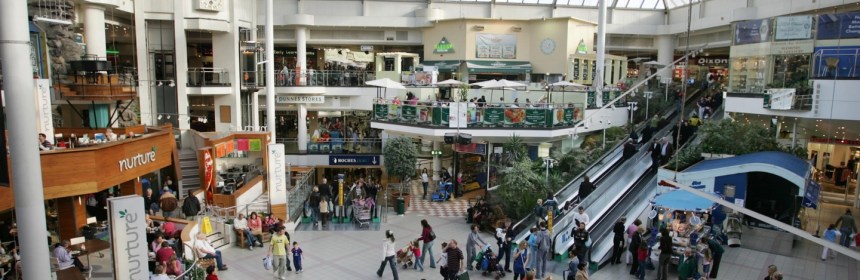
The noble Irish shopping centre seems to be a dying breed, especially in suburban areas. The Irish Independent has reported that a deal has been struck for the sale of The Square shopping centre in Tallaght by its current owner Oaktree Capital Management for €130m – a dramatic drop from the €250m that Oaktree bought it from NAMA for just six years ago. When reading this news, it made me think about how commercial retail property previously held so much significance in the economic development of communities around Ireland.
Shaping Tallaght: The Square as a Retail Landmark
Anytime I think of The Square specifically, I remember my mother telling me about how enamoured she was by it when it opened. She grew up in a small village in rural County Wicklow and to her, The Square was like nothing she had ever witnessed before. This new concept of a “shopping mall” that she had only seen on American TV shows was an extravagance that she never imagined would make its way to Ireland in the 80s and 90s.
For something that at the time may have seemed like an Americanised gimmick, The Square boosted economic and community development in Tallaght at a rapid pace. Being the first major development in the Dublin suburb, it kickstarted the domino effect which grew Tallaght into the sprawling community it is today, studded with institutions like Tallaght University Hospital and the TUD Tallaght campus.
Aside from the economic development of the town, The Square helped to shape a community in Tallaght. It provides employment and a third space for people of all ages to hang out. You’ll find that the people of Tallaght are immensely proud of The Square too. One time in a conversation with a Tallaght native, I made the ill-fated throwaway remark “There’s nothing really in The Square, is there though?” – Oh was I wrong! The site sits as more than just a shopping centre, but rather a cultural landmark of sorts.
A Changing Brick-and-Mortar
This may look like it’s turning out to be a love letter to Tallaght. It’s not. In an environment where residential property values are running high and inflation is crippling, it’s baffling to see that an established commercial retail property like The Square taking a 48% hit in value.
One of the main contributors to this has been the overall change in consumer habits post-Covid-19 pandemic. Online shopping comes with the benefits of wider choice, hassle-free returns and of course the comfort of shopping from home, the office, or the Dargan lecture theatre (we’ve all done it). With such convenience on offer, less and less consumers are opting for traditional retail.
In other words, the rise in online shopping accompanied with lower footfall due to changing lifestyle habits such as remote working offers little incentive for consumers to shop in brick-and-mortar locations. In a June 2024 report from Dublin Economic Monitor, Dublin city centre is still 20% behind on footfall in comparison to 2019. With such little footfall in the bustling city centre compared to pre-Covid times, I imagine that suburban areas must be feeling the same (if not worse) effect.
The Future of Irish Retail
The current state of the economy and consumer worries are also playing a part in the decline in demand and subsequent fall in value of commercial retail property. PwC’s 2023 Irish Consumer Insights Pulse survey reported that 45% of Irish consumers are very concerned about their personal financial situation. Furthermore, It is expected that consumers will curb any discretionary spending that they can. For me personally, this means avoiding the likes of Penneys and Zara at all costs.
While Dublin city centre’s retail districts will survive through these trends to an extent, it’s plain to see that smaller suburban hubs probably won’t fare as well through this trend. As many shopping centres like The Square dramatically fall in value, the outlook on commercial retail in Ireland looks bleak and disappointing. This does not just mean a loss of places to shop but small gradual losses in the foundations of communities across Ireland.
 Trinity Business Review